
Summer Self-Care: How to Prioritize Your Mental Health During Warmer Months
Summer is often associated with vacations, relaxation, and social gatherings, but it can also bring challenges to mental health. The change in routine, pressure to be social, and expectations of productivity can create stress and anxiety. While longer daylight hours and warmer weather can boost mood, they can also lead to exhaustion, disrupted sleep patterns, and burnout if self-care is neglected.

The Impact of Summer Ending on Mental Health: Navigating the End of Summer Blues
As the sun sets on summer and we begin to trade in our swimsuits for sweaters, it’s not uncommon to feel a bit of a mood shift. The transition from the lazy, hazy days of summer to the cooler, more structured days of fall can bring about what many refer to as the "end of summer blues." If you’re feeling a little down as the season changes, you’re not alone! Let’s dive into why the end of summer can mess with your mood and what you can do to keep your mental health in check during this time.
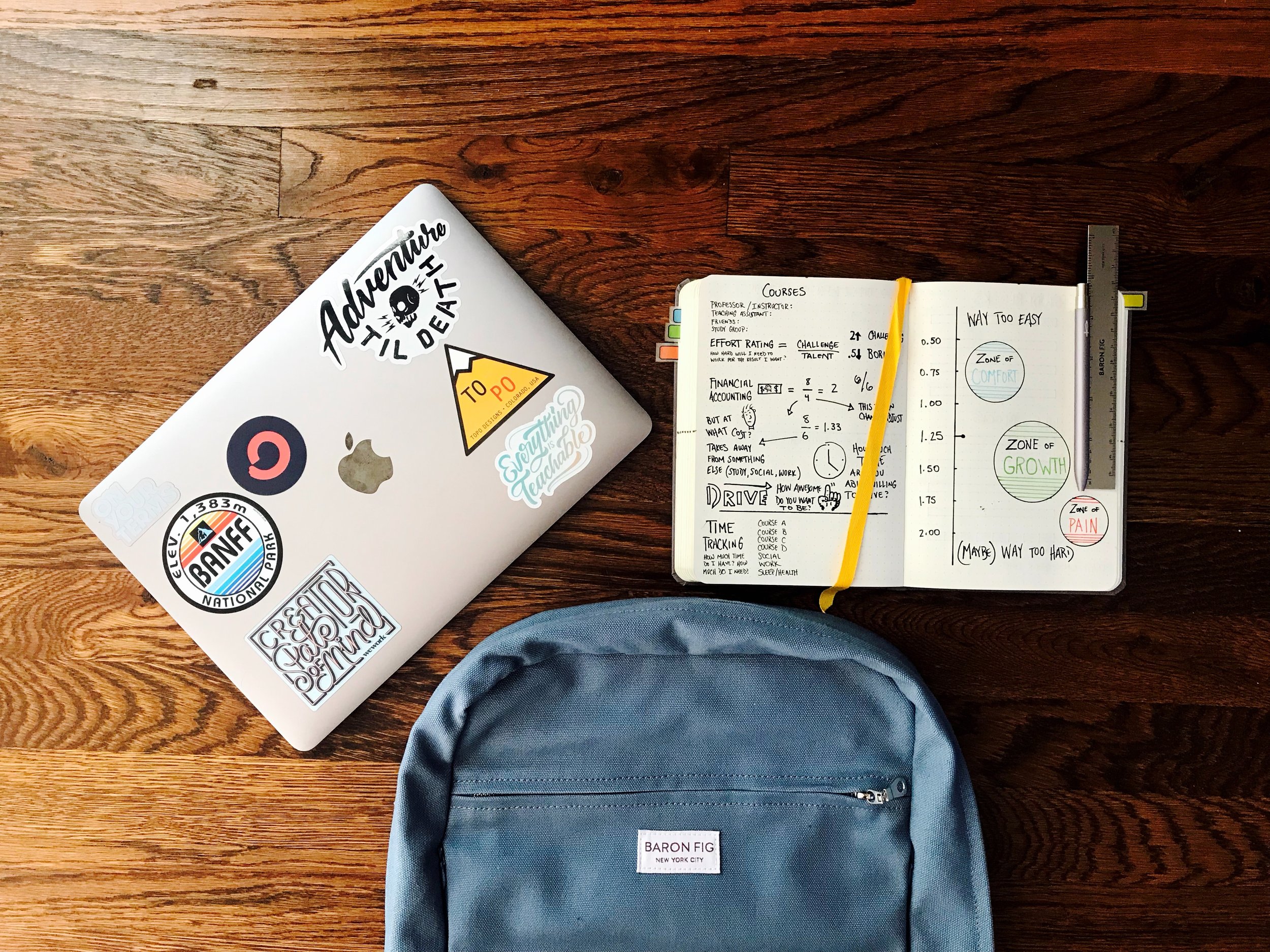
Back-To-School Preparation
Does it feel like summer is going by too quickly? As we turn the calendar into August, the carefree days filled with vacations, outdoor fun, and less restricted routines begin to turn into more rigid schedules. So, how do we prepare ourselves for this inevitable change? Well, it may not be that difficult for adults to adjust to. But, how about our kids?

The Summer Blues: The Other Side of Seasonal Affective Disorder
Ah, at last, the summer has finally arrived! For many people, this time of year brings a sense of joy, lightheartedness, and fun. Afterall, what’s not to like about sunshine, beach outings, vacations, and longer days? It would seem like a simple equation for happiness and uplifted moods- right? However, a small percentage of people experience summer much differently than the majority. You have probably heard of seasonal affective disorder, or SAD, which is typically associated with the winter months. This is when a person experiences symptoms of depression due to less sunlight and colder temperatures. However, for a smaller subset of people, summer has the opposite effect and triggers an increase in anxiety and depression symptoms. Experts believe it may be attributed to higher humidity levels, social pressures, body image issues, or longer days. So, what can we do to help ease summer depression symptoms? Here are a few tips to help cope with SAD in the summer.

Building a Better Sense of Self
Let’s face it- we have all sought out the approval of others at one time or another. But what happens when we need constant validation and attention from other people? Well, then it is time to look a little deeper at how to strengthen our beliefs about ourselves. As we become less dependent on the approval of others, our lives tend to feel more emotionally regulated and we then begin to have the tendency to believe in ourselves.